 EN
EN


Professional photographers, artists, and framers understand that selecting the right photo mounting board can make the difference between a presentation that captivates viewers and one that falls flat. The photo mounting board serves as the foundation for displaying artwork, photographs, and important documents, providing both structural support and visual enhancement. With numerous options available in today's market, from acid-free varieties to specialized archival boards, making the right choice requires careful consideration of multiple factors including material composition, intended use, and longevity requirements.
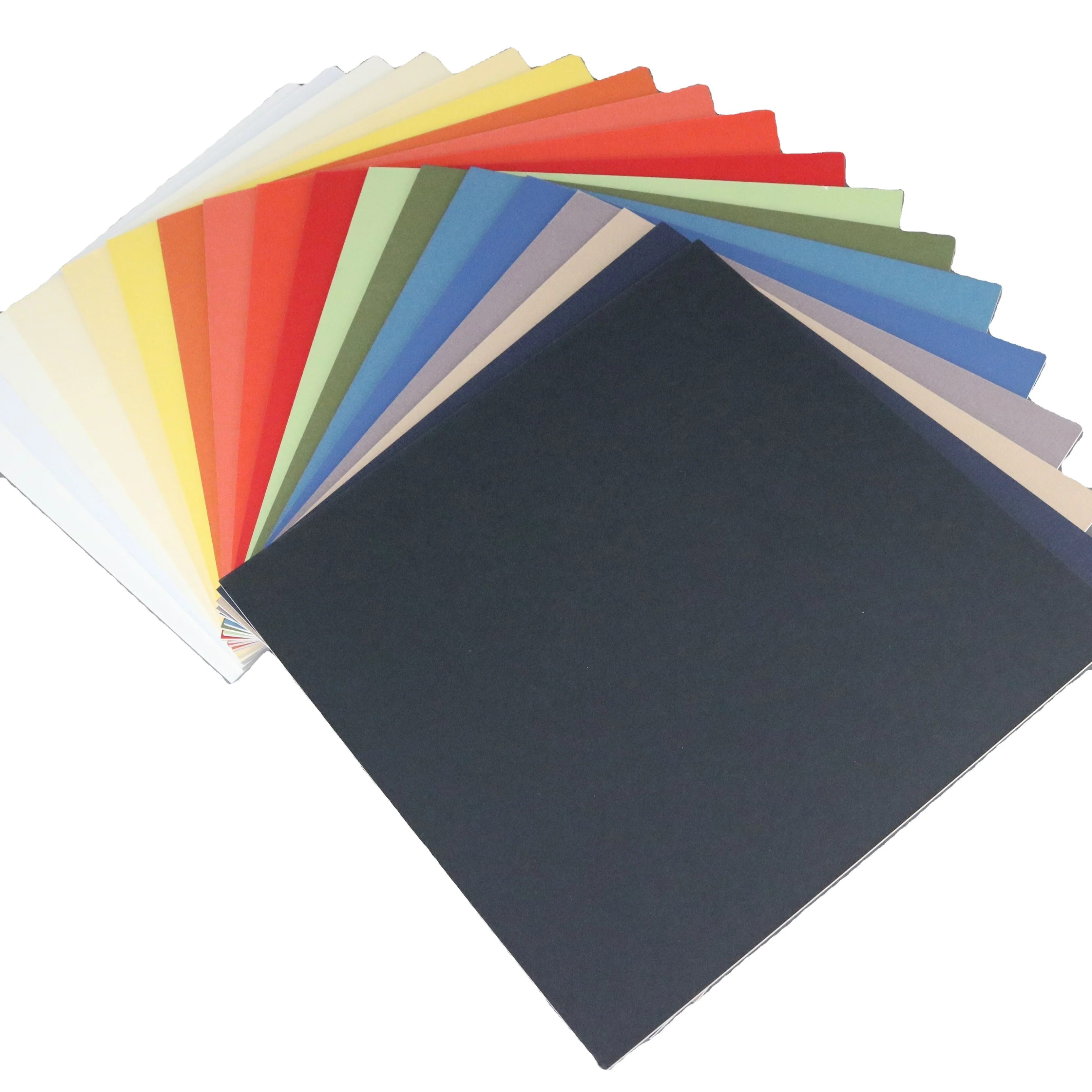
The mounting board industry has evolved significantly over the past decades, driven by advances in materials science and growing awareness of preservation needs. Modern photo mounting board options incorporate sophisticated chemical compositions designed to prevent yellowing, warping, and degradation over time. Understanding these technical specifications becomes crucial when selecting boards for different applications, whether for temporary displays or permanent archival storage.
Understanding Photo Mounting Board Materials
Acid-Free Construction Benefits
Acid-free photo mounting board represents the gold standard for professional applications where longevity matters most. These boards undergo special manufacturing processes that remove lignins and other acidic compounds that naturally occur in wood-based materials. The absence of these acids prevents the yellowing and brittleness that plague standard mounting boards over time. Professional conservators and museums rely exclusively on acid-free options because they maintain their structural integrity and appearance for decades without compromising the mounted materials.
The pH level of acid-free photo mounting board typically ranges between 7.5 and 8.5, creating a slightly alkaline environment that actively buffers against atmospheric acids. This buffering capacity proves especially important in urban environments where air pollution can accelerate deterioration. Many manufacturers incorporate calcium carbonate as a buffering agent, which neutralizes acids that might migrate from adjacent materials or develop within the board itself over extended periods.
Cotton Fiber Advantages
Cotton fiber photo mounting board offers superior archival properties compared to wood pulp alternatives. The longer cotton fibers create a more stable matrix that resists dimensional changes caused by humidity fluctuations. This stability prevents the warping and cockling that can ruin carefully mounted displays. Cotton-based boards also demonstrate exceptional tear resistance, making them ideal for handling valuable or irreplaceable photographs and artwork.
The manufacturing process for cotton fiber boards involves breaking down cotton linters into individual fibers, then reforming them into sheets using specialized papermaking techniques. This process allows manufacturers to control density, thickness, and surface texture with precision. The resulting photo mounting board exhibits uniform thickness throughout, eliminating weak spots that could compromise mounting quality or appearance.
Thickness and Density Considerations
Standard Thickness Options
Photo mounting board thickness typically ranges from 2-ply to 8-ply configurations, with each ply representing approximately 0.05 inches of thickness. The 4-ply option, measuring roughly 0.060 inches thick, serves as the most versatile choice for general mounting applications. This thickness provides adequate support for most photographs while remaining easy to cut and handle. Professional framers often stock multiple thicknesses to accommodate different project requirements and aesthetic preferences.
Heavier photographs and artwork benefit from thicker photo mounting board options, particularly 6-ply or 8-ply varieties. These substantial boards resist bowing under the weight of large prints or when spanning significant distances between support points. The additional thickness also creates more pronounced shadow lines when used for matting, adding depth and visual interest to framed presentations.
Density Impact on Performance
The density of photo mounting board directly affects its cutting characteristics, durability, and appearance. Higher density boards cut cleanly with sharp, precise edges that enhance professional presentation quality. These dense boards also resist compression and maintain their dimensional stability under varying environmental conditions. However, extremely dense boards may require specialized cutting tools and techniques to achieve optimal results.
Lower density photo mounting board options offer easier cutting and handling characteristics, making them suitable for high-volume applications where speed matters more than ultimate durability. Educational institutions and temporary display applications often choose these lighter-weight options for budget considerations while still maintaining acceptable quality standards.
Surface Texture and Finish Varieties
Smooth Surface Applications
Smooth surface photo mounting board provides the ideal foundation for mounting photographs, prints, and documents where texture might interfere with image quality. The uniform surface eliminates shadows and irregularities that could become visible through thin mounting materials. Professional photo labs and fine art publishers prefer smooth surfaces because they ensure consistent adhesion and prevent bubbling or lifting over time.
The manufacturing process for smooth photo mounting board involves calendering, where the formed sheets pass through heated rollers under pressure. This process compresses the surface fibers and creates the characteristic smooth finish. Some manufacturers apply additional coatings to enhance smoothness further and provide better compatibility with specific adhesives or mounting techniques.
Textured Surface Benefits
Textured photo mounting board varieties offer unique aesthetic possibilities for creative presentations. The surface texture can complement the artwork or photograph, adding tactile interest and visual depth. Canvas-textured boards work particularly well with paintings or prints that benefit from the suggestion of traditional artist materials. Linen textures provide subtle sophistication suitable for formal presentations and exhibitions.
Beyond aesthetic considerations, textured surfaces on photo mounting board can help mask minor imperfections in mounted materials or hide fingerprints and handling marks. The texture breaks up reflected light, reducing glare and improving viewing comfort under various lighting conditions. This characteristic makes textured boards excellent choices for high-traffic display areas where maintenance access may be limited.
Color Selection and Visual Impact
Neutral Color Advantages
White and cream-colored photo mounting board options remain the most popular choices for professional applications because they provide maximum flexibility and visual neutrality. These neutral colors complement virtually any photograph or artwork without competing for viewer attention. The high reflectance of light colors also helps illuminate darker areas of mounted images through reflected light, enhancing overall presentation quality.
Off-white and cream variations of photo mounting board offer subtle warmth that can enhance vintage photographs or artwork with warm color palettes. These slightly tinted options provide visual interest without overwhelming the mounted materials. Many photographers prefer cream-colored boards for portrait work because the warm undertones complement skin tones naturally.
Colored Board Strategic Uses
Colored photo mounting board varieties enable creative presentations that support specific artistic visions or branding requirements. Black boards create dramatic contrast effects, particularly effective with high-key photographs or artwork featuring bright colors. The dark background makes colors appear more saturated and creates sophisticated, gallery-like presentations.
Gray photo mounting board options offer compromise solutions between the starkness of white and the drama of black. Medium gray boards provide enough contrast to define mounted materials while maintaining neutral aesthetics. These boards work exceptionally well for black and white photography, allowing subtle tonal variations to display clearly without color interference.
Archival Quality and Preservation Features
Lignin-Free Manufacturing
Lignin-free photo mounting board construction eliminates one of the primary causes of long-term degradation in paper-based products. Lignin, a natural polymer found in wood, breaks down over time when exposed to light and oxygen, producing acids that cause yellowing and embrittlement. By removing lignin during manufacturing, producers create boards that maintain their appearance and structural properties for extended periods without compromising mounted materials.
The lignin removal process requires sophisticated chemical treatment and purification steps that add to manufacturing costs but provide essential benefits for archival applications. Professional conservators and institutions housing valuable collections specify lignin-free photo mounting board as standard practice to ensure long-term preservation of irreplaceable materials.
Buffering Agent Integration
Modern archival photo mounting board incorporates alkaline buffering agents that actively protect against acid migration from adjacent materials or atmospheric contamination. These buffering systems typically use calcium carbonate, which neutralizes acids while maintaining board stability. The buffering capacity provides a safety margin against environmental variations and ensures consistent preservation performance over decades of storage or display.
Testing procedures for buffered photo mounting board include accelerated aging protocols that simulate years of normal aging in compressed timeframes. These tests verify that buffering agents remain active and effective throughout the expected lifespan of the board. Manufacturers typically guarantee buffering effectiveness for 100 years or more under normal storage conditions.
Sizing and Cutting Considerations
Standard Sheet Dimensions
Photo mounting board manufacturers offer standard sheet sizes designed to accommodate common framing and display requirements while minimizing waste. The 32 x 40 inch format serves as the industry standard for professional applications, providing sufficient material for most projects while remaining manageable for storage and handling. This size allows efficient cutting of standard frame sizes including 16 x 20, 11 x 14, and 8 x 10 inch formats from single sheets.
Smaller standard sizes like 20 x 30 inches cater to lower-volume users and specialized applications where full sheets would create excessive waste. These smaller formats cost more per square inch but offer convenience for occasional users who lack storage space for full sheets. Educational institutions and small studios often prefer these sizes for budget and space management reasons.
Custom Cutting Services
Many suppliers offer custom cutting services for photo mounting board, providing pre-sized pieces that eliminate waste and reduce labor costs for high-volume users. These services typically use computer-controlled cutting equipment that ensures precise dimensions and clean edges. Custom cutting proves especially valuable for unusual sizes or complex shapes that would be difficult to achieve with manual cutting methods.
The precision of professionally cut photo mounting board eliminates the variations that can occur with manual cutting, ensuring consistent quality across multiple pieces. This consistency becomes crucial for large installations or series presentations where uniformity affects overall visual impact. Professional cutting services also reduce handling time and minimize the risk of damage during preparation.
Environmental and Sustainability Factors
Recyclable Material Options
Environmental consciousness drives increasing demand for recyclable photo mounting board options that maintain professional quality while reducing environmental impact. Manufacturers now offer boards made entirely from recycled fibers or post-consumer waste materials. These eco-friendly options often perform comparably to virgin material boards while supporting sustainable business practices.
The recycling process for photo mounting board involves breaking down used materials and removing contaminants before reforming into new sheets. Advanced processing techniques ensure that recycled boards meet the same quality standards as virgin material products. Many recycled boards actually exceed the performance of traditional options because the recycling process eliminates weak or contaminated fibers.
Manufacturing Carbon Footprint
Modern photo mounting board manufacturing increasingly emphasizes reduced carbon footprint through energy-efficient processes and renewable energy sources. Leading manufacturers have invested in solar and wind power systems to reduce reliance on fossil fuels during production. These investments not only benefit the environment but often result in more consistent manufacturing conditions that improve product quality.
Transportation considerations also affect the environmental impact of photo mounting board selection. Choosing suppliers with regional manufacturing facilities reduces shipping distances and associated carbon emissions. Local sourcing also provides better supply chain reliability and faster response times for urgent project requirements.
FAQ
What thickness of photo mounting board works best for standard picture framing
For most standard picture framing applications, 4-ply photo mounting board provides the ideal balance of support, workability, and cost-effectiveness. This thickness, approximately 0.060 inches, offers adequate rigidity for photographs up to 16 x 20 inches while remaining easy to cut with standard framing tools. Professional framers stock 4-ply as their primary option because it accommodates the majority of customer requests and provides consistent results across various mounting techniques.
How long does acid-free photo mounting board maintain its archival properties
High-quality acid-free photo mounting board maintains its archival properties for 100 years or more when stored under proper conditions. The buffering agents incorporated during manufacturing continue neutralizing environmental acids throughout this extended timeframe. However, extreme conditions such as high humidity, temperature fluctuations, or exposure to pollutants can reduce this lifespan. Museums and professional conservators regularly test stored materials to verify ongoing archival performance and replace boards if degradation becomes apparent.
Can photo mounting board be used with spray adhesives safely
Photo mounting board compatibility with spray adhesives depends on both the board surface characteristics and adhesive formulation. Smooth, dense surfaces generally provide better adhesion and more even coverage than textured or porous surfaces. Acid-free boards work well with pH-neutral spray adhesives designed for archival applications. However, solvent-based adhesives may interact with board materials over time, potentially causing discoloration or degradation. Testing adhesive compatibility on scrap pieces before proceeding with valuable materials ensures optimal results and prevents damage.
What storage conditions preserve photo mounting board quality longest
Optimal storage conditions for photo mounting board include temperature between 65-70°F, relative humidity between 45-55%, and protection from direct light exposure. Boards should be stored flat in clean, dust-free environments away from heating and cooling equipment that creates temperature fluctuations. Wrapping unused portions in acid-free tissue or storing in archival boxes prevents contamination from airborne pollutants. Avoiding contact with acidic materials like cardboard or low-quality papers prevents acid migration that could compromise board quality over time.