 EN
EN


Professional art preservation requires careful consideration of materials that directly contact valuable artworks, and picture frame matboard stands as one of the most critical components in this process. Quality matboards not only enhance visual presentation but also provide essential protection against environmental factors that can cause irreversible damage to photographs, prints, and original artwork. Understanding the various types of picture frame matboard available in today's market enables collectors, artists, and framers to make informed decisions that preserve artistic investments for generations. The selection of appropriate matboard materials directly impacts the longevity and condition of displayed pieces, making this choice fundamental to proper conservation practices.
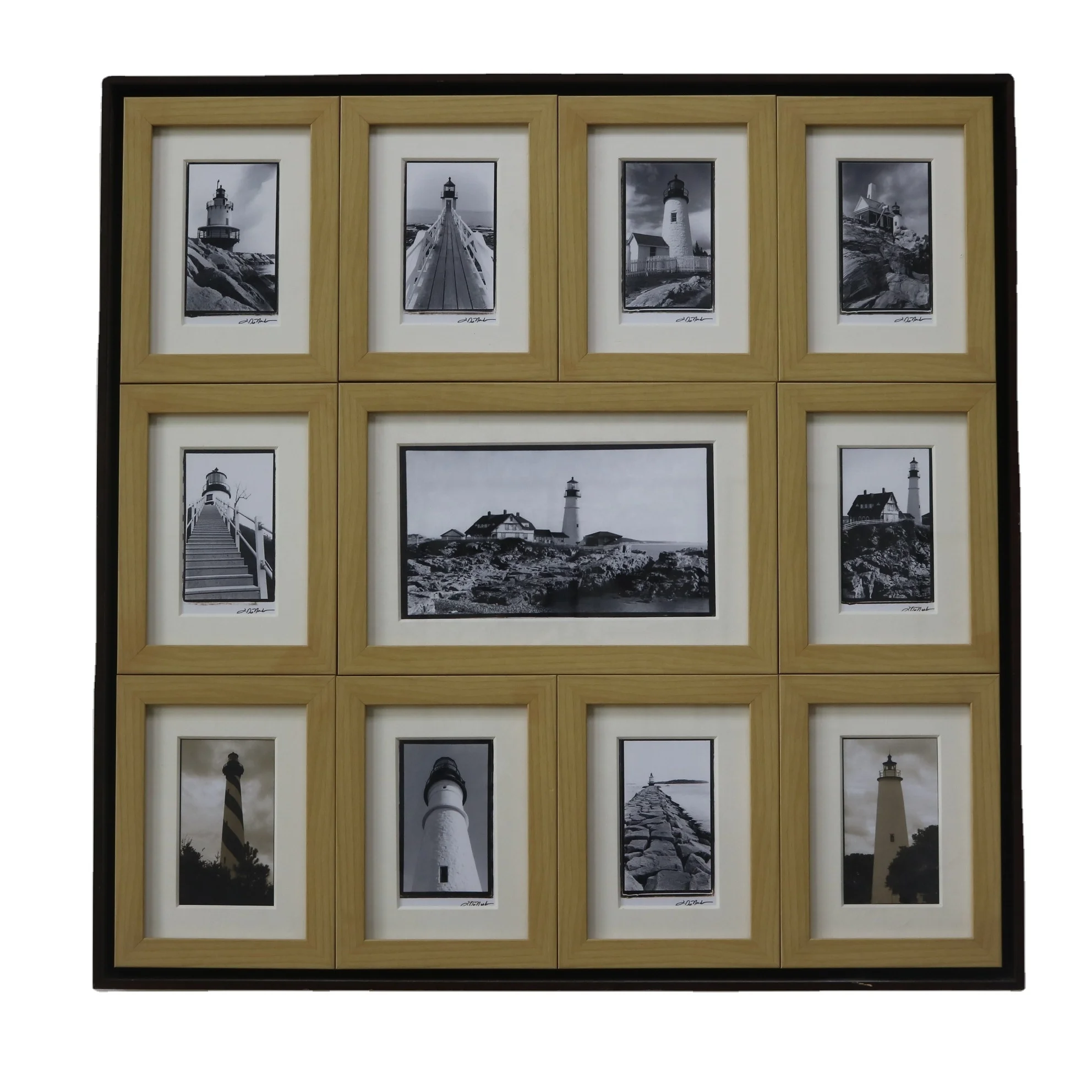
Understanding Matboard Composition and Construction
Core Materials and Manufacturing Processes
Picture frame matboard construction involves multiple layers of carefully selected materials that determine both aesthetic appeal and preservation qualities. Traditional matboards typically consist of a solid core sandwiched between decorative facing papers, with the core material ranging from wood pulp to cotton fiber depending on quality specifications. Manufacturing processes vary significantly between standard and conservation-grade options, with premium boards undergoing acid-neutralization treatments and buffering procedures that prevent chemical reactions over time. The facing paper selection influences color stability and surface texture, while adhesive choices affect long-term chemical interactions with displayed artwork.
Quality control measures during production ensure consistent thickness, dimensional stability, and chemical composition throughout each sheet of picture frame matboard. Advanced manufacturing facilities employ specialized equipment to maintain uniform density and prevent internal voids that could compromise structural integrity. Temperature and humidity controls during production create optimal conditions for chemical treatments and adhesive curing, resulting in matboards that perform reliably across varying environmental conditions.
Chemical Properties and Preservation Standards
Conservation-grade picture frame matboard adheres to strict chemical standards established by preservation organizations worldwide, particularly regarding pH levels and chemical composition. Acid-free formulations prevent the gradual acidification that causes yellowing, brittleness, and chemical migration into adjacent artwork surfaces. Lignin-free compositions eliminate organic compounds that break down over time, releasing harmful substances that can stain or deteriorate valuable pieces.
Alkaline buffering agents incorporated into premium matboards provide ongoing protection against environmental acids and pollutants that might otherwise penetrate the framing system. These chemical buffers maintain stable pH levels for decades, creating a protective microenvironment around displayed artwork. Photographic Activity Test compliance ensures that matboard materials will not cause chemical reactions with silver-based photographs or other sensitive media types.
Cotton Fiber Matboard Excellence
Superior Preservation Characteristics
Cotton fiber matboards represent the gold standard in art preservation materials, offering unparalleled chemical stability and longevity compared to wood-based alternatives. These premium picture frame matboard options contain no lignin or other organic compounds that deteriorate over time, making them ideal for museum-quality installations and valuable artwork protection. The inherent alkalinity of cotton fibers provides natural buffering against environmental acids, while the fiber structure resists dimensional changes caused by humidity fluctuations.
Manufacturing processes for cotton fiber matboards involve careful selection of textile-grade cotton sources, followed by specialized pulping and forming techniques that maintain fiber integrity. The resulting boards exhibit exceptional tear resistance and edge quality, important factors when cutting precise openings for artwork display. Color consistency remains stable over extended periods, preventing the unsightly discoloration that compromises visual presentation in lesser materials.
Applications and Cost Considerations
Professional conservators and high-end framers consistently choose cotton fiber picture frame matboard for irreplaceable artwork, limited edition prints, and archival photography projects. Investment in premium materials proves economical over time by eliminating the need for matboard replacement and protecting artwork value. The superior cutting characteristics of cotton boards reduce waste and improve productivity in professional framing operations.
While initial costs exceed standard alternatives, cotton fiber matboards deliver measurable value through extended service life and superior protection performance. Many professional framers offer cotton fiber upgrades as standard practice for valuable pieces, recognizing that material costs represent a small percentage of overall project investment. Custom color options and specialized surface treatments expand creative possibilities without compromising preservation standards.
Alpha-Cellulose Matboard Technology
Advanced Chemical Purification
Alpha-cellulose matboards undergo sophisticated chemical processing that removes impurities and stabilizing compounds found in standard wood-based products, creating picture frame matboard with enhanced preservation characteristics. The alpha-cellulose extraction process eliminates lignin, hemicellulose, and other components that contribute to long-term degradation and discoloration. Resulting materials exhibit neutral pH levels and excellent chemical stability, making them suitable for medium to long-term art preservation applications.
Quality alpha-cellulose boards feature consistent fiber orientation and density that provide smooth cutting characteristics and clean beveled edges. Surface treatments may include calendering processes that create uniform texture and improved ink receptivity for printed graphics or decorative elements. Moisture resistance properties exceed standard wood pulp boards, reducing dimensional changes in varying humidity conditions.
Performance and Versatility
Alpha-cellulose picture frame matboard offers an excellent compromise between preservation quality and cost-effectiveness for many framing applications. Performance characteristics approach cotton fiber boards in chemical stability while maintaining more accessible pricing for volume projects. Color selection includes both traditional and contemporary options, with custom matching available from leading manufacturers.
Professional applications include commercial artwork display, photography studios, and residential framing where preservation requirements justify premium materials but budget constraints limit cotton fiber options. Many framers maintain alpha-cellulose inventory as their standard offering for quality-conscious customers seeking reliable protection without museum-grade specifications.
Standard Wood Pulp Matboard Options
Conventional Manufacturing and Properties
Traditional wood pulp picture frame matboard continues to serve specific applications where preservation requirements are less stringent and cost considerations take precedence. These boards typically utilize recycled paper content and conventional adhesives that may not meet conservation standards but provide adequate protection for temporary displays and decorative applications. Manufacturing processes focus on achieving consistent thickness and surface quality while maintaining competitive pricing structures.
Standard wood pulp boards offer extensive color selections and surface textures that appeal to decorative framing markets and craft applications. Processing techniques can include embossing, fabric lamination, and specialty coatings that create unique visual effects unavailable in conservation-grade materials. Cutting characteristics remain acceptable for most applications, though edge quality may not match premium alternatives.
Appropriate Usage Guidelines
Wood pulp picture frame matboard serves effectively in situations where artwork replacement cost remains low and display duration stays relatively short. Craft projects, student artwork, and temporary exhibitions represent appropriate applications for these economical materials. Retail framing operations often stock wood pulp boards for budget-conscious customers seeking basic protection and presentation enhancement.
Professional framers may recommend wood pulp options for reproductions, posters, and decorative prints where preservation concerns are minimal. Proper education about material limitations helps customers make informed decisions based on artwork value and intended display duration. Upgrade paths to conservation materials remain available when preservation requirements become more demanding.
Specialty Matboard Applications
Colored and Textured Variations
Contemporary picture frame matboard manufacturing includes extensive color palettes and surface textures designed to complement diverse artistic styles and interior design preferences. Solid colors range from traditional white and cream through bold contemporary hues, while textured surfaces may simulate fabric, leather, or other materials. These decorative options maintain appropriate chemical properties for their intended preservation level while expanding creative possibilities.
Specialty manufacturing techniques create unique visual effects including metallic finishes, hand-marbled patterns, and digitally printed designs that coordinate with specific artwork themes. Conservation-grade options remain available in many specialty finishes, ensuring that decorative requirements need not compromise preservation standards. Custom color matching services accommodate specific project requirements that standard inventory cannot fulfill.
Technical and Industrial Applications
Specialized picture frame matboard applications extend beyond traditional artwork display to include technical documentation, architectural drawings, and industrial presentation requirements. These applications may require enhanced dimensional stability, chemical resistance, or specialized surface properties not found in standard artistic materials. Manufacturing specifications can be customized to meet unique performance requirements while maintaining appropriate visual characteristics.
Engineering and architectural firms often specify particular matboard grades for project documentation and client presentations where long-term storage and professional appearance are essential. Custom thickness options and oversized sheet availability accommodate specialized mounting and display requirements that standard retail products cannot address effectively.
Selection Criteria and Best Practices
Artwork Assessment and Material Matching
Proper selection of picture frame matboard begins with careful assessment of artwork characteristics, value, and intended display conditions. Original artwork, limited edition prints, and irreplaceable photographs demand conservation-grade materials regardless of initial cost considerations. Medium-value pieces may justify alpha-cellulose options that provide good protection at moderate expense, while decorative items can utilize standard materials appropriate to their replacement cost and display duration.
Environmental factors including lighting conditions, humidity levels, and air quality influence matboard selection decisions significantly. High-traffic areas with variable climate control may require enhanced moisture resistance and dimensional stability found in premium materials. Display lighting intensity and UV exposure determine the importance of fade-resistant surface treatments and chemical stability in selected matboard products.
Professional Installation Considerations
Quality picture frame matboard requires proper handling and installation techniques to achieve optimal protection and presentation results. Cutting procedures must maintain clean beveled edges that enhance visual appeal while preventing fiber exposure that could harbor contaminants. Proper storage of unused materials prevents contamination and maintains chemical stability until installation occurs.
Installation procedures should minimize direct contact between artwork and matboard surfaces through appropriate spacing and barrier techniques when necessary. Mounting methods must complement matboard selection to maintain overall preservation standards throughout the framing system. Regular inspection schedules help identify potential issues before they compromise artwork condition or require expensive remediation efforts.
FAQ
What is the difference between acid-free and conservation-grade picture frame matboard
Acid-free matboard simply means the material has a neutral or alkaline pH level at the time of manufacture, but this designation does not guarantee long-term stability or chemical purity. Conservation-grade picture frame matboard exceeds acid-free standards by utilizing purified materials, alkaline buffering agents, and manufacturing processes that ensure chemical stability over extended periods. Conservation boards also pass rigorous testing protocols including the Photographic Activity Test that confirms compatibility with sensitive artwork materials.
How long does cotton fiber matboard maintain its protective properties
High-quality cotton fiber picture frame matboard can maintain effective protective properties for over 100 years when properly manufactured and stored under appropriate environmental conditions. The chemical stability of purified cotton fibers and alkaline buffering systems provides ongoing protection against environmental acids and pollutants that would otherwise degrade lesser materials. This longevity makes cotton fiber boards cost-effective for valuable artwork despite higher initial investment compared to standard alternatives.
Can standard wood pulp matboard be safely used with valuable photographs
Standard wood pulp picture frame matboard is not recommended for valuable photographs due to chemical compounds that can migrate into sensitive emulsions over time. Lignin and other organic materials in wood pulp boards gradually break down and release acids that cause staining, fading, and chemical deterioration in photographic materials. For photograph preservation, alpha-cellulose or cotton fiber boards provide appropriate chemical stability and long-term protection against harmful reactions.
What thickness of matboard works best for different artwork sizes
Picture frame matboard thickness selection depends on artwork size, frame depth, and visual proportion requirements rather than protective properties. Standard 4-ply thickness works well for most applications up to 16x20 inches, while larger pieces may benefit from 6-ply or 8-ply boards that provide additional visual weight and dimensional stability. Very small pieces can utilize 2-ply materials to prevent overwhelming delicate artwork with excessive border mass, though protective properties remain consistent across thickness variations within the same material grade.