 EN
EN


When selecting materials for preserving and displaying artwork or photographs, the choice of picture frame matboard plays a crucial role in both aesthetic appeal and long-term preservation. Understanding the fundamental differences between acid-free and regular matboard options can significantly impact the longevity and appearance of your framed pieces. The composition, manufacturing process, and chemical properties of picture frame matboard vary considerably between these two categories, making it essential for professionals and enthusiasts alike to make informed decisions based on their specific requirements.
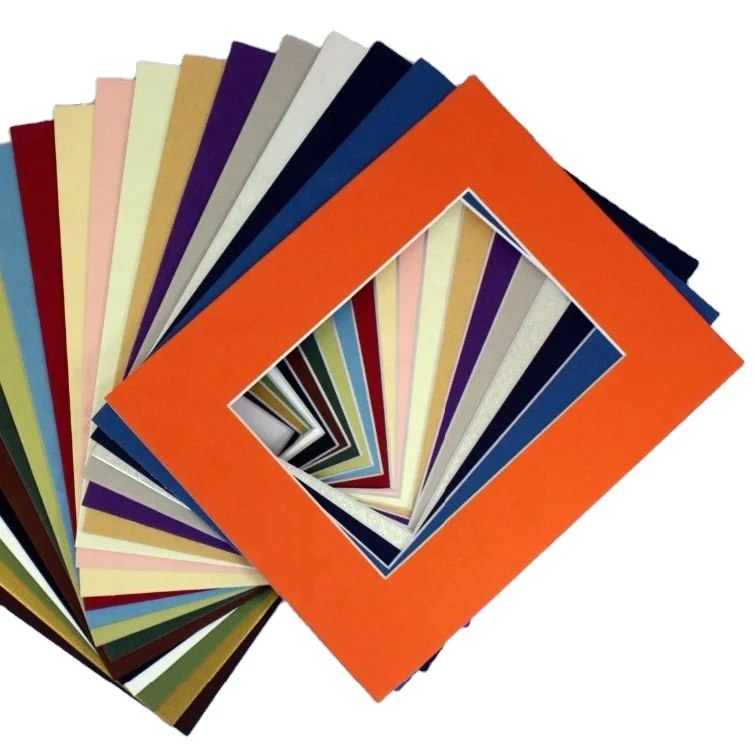
The distinction between acid-free and regular picture frame matboard extends beyond simple material composition to encompass critical factors such as pH levels, archival quality, and resistance to deterioration over time. Professional framers, conservators, and collectors must navigate these technical specifications while considering cost implications and intended use cases. This comprehensive analysis explores the key differentiators that separate these matboard types, providing valuable insights for making optimal selection decisions in various framing applications.
Chemical Composition and Manufacturing Processes
Acid-Free Matboard Production Methods
Acid-free picture frame matboard undergoes specialized manufacturing processes designed to eliminate or neutralize acidic compounds that could potentially damage artwork over time. The production typically involves using cotton fibers, alpha-cellulose, or specially treated wood pulp that has been processed to remove lignin and other acidic components. These materials are combined with alkaline buffering agents, usually calcium carbonate, which helps maintain a neutral to slightly alkaline pH level throughout the matboard's lifespan.
The manufacturing process includes multiple purification stages where raw materials are bleached using elemental chlorine-free methods and treated with alkaline solutions to ensure complete acid removal. Quality control measures involve rigorous pH testing at various production stages, with acceptable levels maintained between 8.5 and 9.5 on the pH scale. This careful attention to chemical composition ensures that the resulting picture frame matboard meets archival standards and provides optimal protection for valuable artwork and photographs.
Regular Matboard Manufacturing Standards
Regular picture frame matboard follows conventional manufacturing processes that prioritize cost-effectiveness and widespread availability over long-term preservation qualities. The production typically utilizes standard wood pulp that retains natural lignin content, along with various chemical additives used for color consistency and structural integrity. These manufacturing methods do not include the extensive purification processes required for acid-free variants, resulting in naturally occurring acidic compounds remaining within the final product.
The chemical composition of regular matboard often includes recycled paper content, optical brightening agents, and conventional bleaching chemicals that can contribute to acidity levels over time. While these materials provide adequate performance for temporary displays or budget-conscious applications, they lack the sophisticated chemical balance found in premium picture frame matboard options. The manufacturing process focuses on achieving desired thickness, color consistency, and surface texture while maintaining competitive pricing for mass market distribution.
pH Levels and Archival Properties
Understanding pH Impact on Preservation
The pH level of picture frame matboard serves as a critical indicator of its preservation capabilities and potential impact on displayed materials. Acid-free matboard maintains a neutral to alkaline pH range, typically between 8.5 and 9.5, which creates an environment that inhibits chemical reactions that could damage artwork over time. This alkaline buffering system actively neutralizes acidic pollutants from the surrounding environment, providing a protective barrier that extends the lifespan of framed materials significantly.
In contrast, regular matboard typically exhibits acidic pH levels ranging from 4.0 to 6.5, creating conditions that can accelerate the deterioration of photographs and artwork through oxidation and chemical breakdown processes. The acidic environment promotes the formation of harmful compounds that can cause yellowing, brittleness, and structural degradation of both the matboard itself and adjacent materials. Understanding these pH differentials helps professionals select appropriate picture frame matboard based on the intended preservation timeline and value of the displayed items.
Long-Term Stability and Aging Characteristics
Archival quality picture frame matboard demonstrates superior aging characteristics through consistent chemical stability and resistance to environmental factors that typically cause deterioration. The alkaline buffering system continues to function effectively for decades, maintaining protective properties even when exposed to fluctuating humidity, temperature variations, and airborne pollutants. This stability ensures that color integrity, structural strength, and surface texture remain consistent throughout extended display periods.
Regular matboard exhibits predictable aging patterns that include gradual acidification, color shifts toward yellow or brown tones, and increasing brittleness over time. These changes typically become noticeable within several years of installation, particularly in environments with high humidity or temperature fluctuations. The deterioration process accelerates when regular picture frame matboard comes into direct contact with valuable artwork, creating potential for permanent damage through acid migration and chemical interaction.
Performance Characteristics and Applications
Professional Conservation Standards
Professional conservation applications demand picture frame matboard that meets stringent archival standards established by organizations such as the Library of Congress and various museum associations. Acid-free matboard consistently meets or exceeds these requirements through verified chemical composition, proven longevity testing, and documented performance in institutional settings. Conservation professionals rely on these materials for preserving historically significant documents, original artworks, and valuable photographic collections where long-term integrity is paramount.
The performance characteristics of conservation-grade picture frame matboard include resistance to foxing, mold growth, and insect damage due to the alkaline environment and purified material composition. These properties make acid-free options essential for museum displays, archival storage systems, and high-value private collections where replacement or restoration costs would be prohibitive. Professional framers working with conservation projects must specify appropriate matboard grades to ensure compliance with institutional standards and client expectations.
Commercial and Residential Applications
Commercial framing operations often balance performance requirements with cost considerations when selecting picture frame matboard for various customer segments. Acid-free options provide excellent value for clients displaying original artwork, limited edition prints, or personal photographs with sentimental value, while regular matboard serves adequately for temporary displays, promotional materials, or decorative applications where longevity is less critical.
Residential applications of picture frame matboard vary significantly based on homeowner priorities, budget constraints, and the perceived value of displayed materials. Professional framers typically recommend acid-free matboard for family photographs, children's artwork intended for long-term preservation, and any items with irreplaceable value. Regular matboard remains suitable for seasonal decorations, poster displays, and situations where frequent changing or updating of framed materials is anticipated.
Cost Analysis and Value Considerations
Initial Investment Comparisons
The price differential between acid-free and regular picture frame matboard reflects the sophisticated manufacturing processes, premium raw materials, and quality control measures required for archival-grade products. Acid-free matboard typically costs two to four times more than standard alternatives, with pricing varying based on thickness, color options, and surface textures. This initial investment must be evaluated against the long-term value proposition and intended application to determine optimal cost-effectiveness.
Budget-conscious consumers often gravitate toward regular matboard for immediate cost savings, particularly when framing multiple pieces or working with temporary displays. However, the total cost of ownership calculation should include potential replacement expenses, artwork damage risks, and the inconvenience of re-framing when regular picture frame matboard deteriorates. Professional framers can help clients understand these cost implications and make informed decisions based on their specific circumstances and priorities.
Long-Term Value Proposition
The long-term value proposition of acid-free picture frame matboard becomes particularly compelling when preserving artwork or photographs with significant monetary, historical, or sentimental value. The prevention of acid damage, color degradation, and structural deterioration can save thousands of dollars in restoration costs while maintaining the original integrity and market value of displayed pieces. Insurance companies often recognize this value preservation aspect when evaluating coverage for properly framed collections.
Regular matboard may require replacement every five to ten years depending on environmental conditions and display requirements, creating ongoing expenses that can exceed the initial cost of premium alternatives over time. The cumulative costs of re-matting, potential artwork damage, and reduced aesthetic appeal make regular picture frame matboard less economical for permanent installations or valuable collections. Professional cost-benefit analysis consistently favors acid-free options when preservation timeline extends beyond short-term display purposes.
Environmental Factors and Durability
Humidity and Temperature Resistance
Environmental conditions significantly impact the performance and longevity of picture frame matboard, with acid-free variants demonstrating superior resistance to humidity fluctuations and temperature extremes. The alkaline buffering system and purified fiber content provide stability against expansion, contraction, and moisture absorption that commonly affect regular matboard materials. This environmental resilience makes acid-free options essential for locations with challenging climate conditions or inadequate environmental controls.
Regular picture frame matboard exhibits greater sensitivity to environmental changes, with noticeable dimensional instability and accelerated aging when exposed to high humidity or temperature variations. The presence of lignin and other organic compounds makes these materials more susceptible to biological degradation, mold growth, and chemical reactions triggered by environmental stressors. Understanding these limitations helps framers and clients select appropriate matboard grades based on intended display locations and available climate control systems.
UV Resistance and Light Stability
Light exposure presents ongoing challenges for all picture frame matboard types, though acid-free variants typically demonstrate superior UV resistance and color stability under extended illumination. The purified fiber content and alkaline chemistry provide inherent protection against photochemical degradation that causes yellowing, fading, and brittleness in conventional materials. Professional applications often combine UV-filtering glazing with acid-free matboard to maximize protection against light-induced damage.
Regular matboard shows predictable degradation patterns when exposed to natural or artificial lighting, with color shifts and structural changes becoming apparent within months of installation in high-light environments. The lignin content and acidic chemistry accelerate photochemical reactions that compromise both appearance and structural integrity over time. Proper picture frame matboard selection must consider anticipated light exposure levels and incorporate appropriate protective measures to minimize degradation risks regardless of matboard type selected.
Selection Criteria and Best Practices
Application-Specific Requirements
Selecting appropriate picture frame matboard requires careful consideration of multiple factors including artwork value, display duration, environmental conditions, and budget constraints. Professional framers develop expertise in matching matboard specifications to specific application requirements, ensuring optimal performance while managing costs effectively. The decision matrix should prioritize preservation needs for irreplaceable items while allowing flexibility for temporary or replaceable displays.
High-value applications such as original artwork, historical documents, or professional photography portfolios consistently benefit from acid-free picture frame matboard despite higher initial costs. The preservation capabilities and professional appearance justify premium pricing when protecting significant investments or maintaining commercial presentation standards. Conversely, regular matboard serves adequately for poster displays, children's artwork, or seasonal decorations where replacement feasibility outweighs preservation concerns.
Quality Verification Methods
Verifying the quality and authenticity of picture frame matboard requires understanding manufacturer specifications, certification standards, and testing methodologies used to validate archival properties. Reputable suppliers provide detailed technical documentation including pH test results, aging studies, and compliance certifications that demonstrate adherence to conservation standards. Professional framers should establish relationships with trusted suppliers who consistently deliver verified acid-free products meeting specified performance criteria.
Quality assurance protocols include visual inspection for color consistency, surface texture uniformity, and dimensional accuracy across different production batches. Professional-grade picture frame matboard should exhibit consistent thickness, clean edges, and smooth surface finishes without visible imperfections or contamination. Regular testing of incoming materials using pH indicator strips or digital meters helps maintain quality standards and ensures client expectations are met consistently across all framing projects.
FAQ
What is the main difference between acid-free and regular picture frame matboard?
The main difference lies in the pH level and chemical composition. Acid-free picture frame matboard maintains a neutral to alkaline pH (8.5-9.5) through specialized manufacturing processes that remove acidic compounds and add alkaline buffering agents. Regular matboard has acidic pH levels (4.0-6.5) due to conventional manufacturing that retains natural lignin and other acidic components. This difference directly impacts long-term preservation capabilities and artwork protection.
How long does each type of matboard typically last?
Acid-free picture frame matboard can maintain its protective properties and appearance for several decades when properly stored and displayed, often exceeding 50 years in controlled environments. Regular matboard typically shows signs of deterioration within 5-10 years, including yellowing, brittleness, and potential damage to adjacent artwork. The lifespan varies based on environmental conditions, with high humidity and temperature fluctuations accelerating degradation in regular matboard.
Is acid-free matboard worth the extra cost for family photos?
For irreplaceable family photographs or images with significant sentimental value, acid-free picture frame matboard provides excellent value despite higher initial costs. The prevention of acid damage, color degradation, and deterioration can preserve precious memories for future generations. However, for easily replaceable prints or temporary displays, regular matboard may be sufficient. Consider the replacement cost and sentimental value when making this decision.
Can you tell the difference visually between acid-free and regular matboard?
Initially, both types of picture frame matboard may appear nearly identical in color and texture. However, over time, regular matboard will develop yellowish or brownish discoloration, become brittle, and may cause staining on adjacent materials. Acid-free matboard maintains its original color and structural integrity much longer. Professional framers can identify the difference through pH testing and by examining manufacturer specifications and certifications.