 EN
EN


צלמים מקצועיים, מומחים להכמסה ומעצבים של תצוגות מבינים שבחירת לוח ריתוך לתמונות נכונה יכולה להפוך את ההצגה מממוצעת להשפעה ויזואלית מרשים. לוח הריתוך לתמונות משמש כבסיס להצגות צילום מקצועיות, לשימור ארכיוני ולתערוכות מסחריות. עם התקדמות הטכנולוגיה והתפתחות סטנדרטים בתעשייה, שנת 2026 מביאה עמה הזדמנויות חדשות לשיפור איכות הצגת התמונות תוך הבטחת שימור ארוך טווח. היכרות עם הסוגים השונים של לוחות ריתוך זמינים עוזרת למקצועיים לקבל החלטות מושכלות המגנות על השקעות הצילום היקרות שלהם, ובעת ואותה יוצרות תצוגות ויזואליות מרשמות.
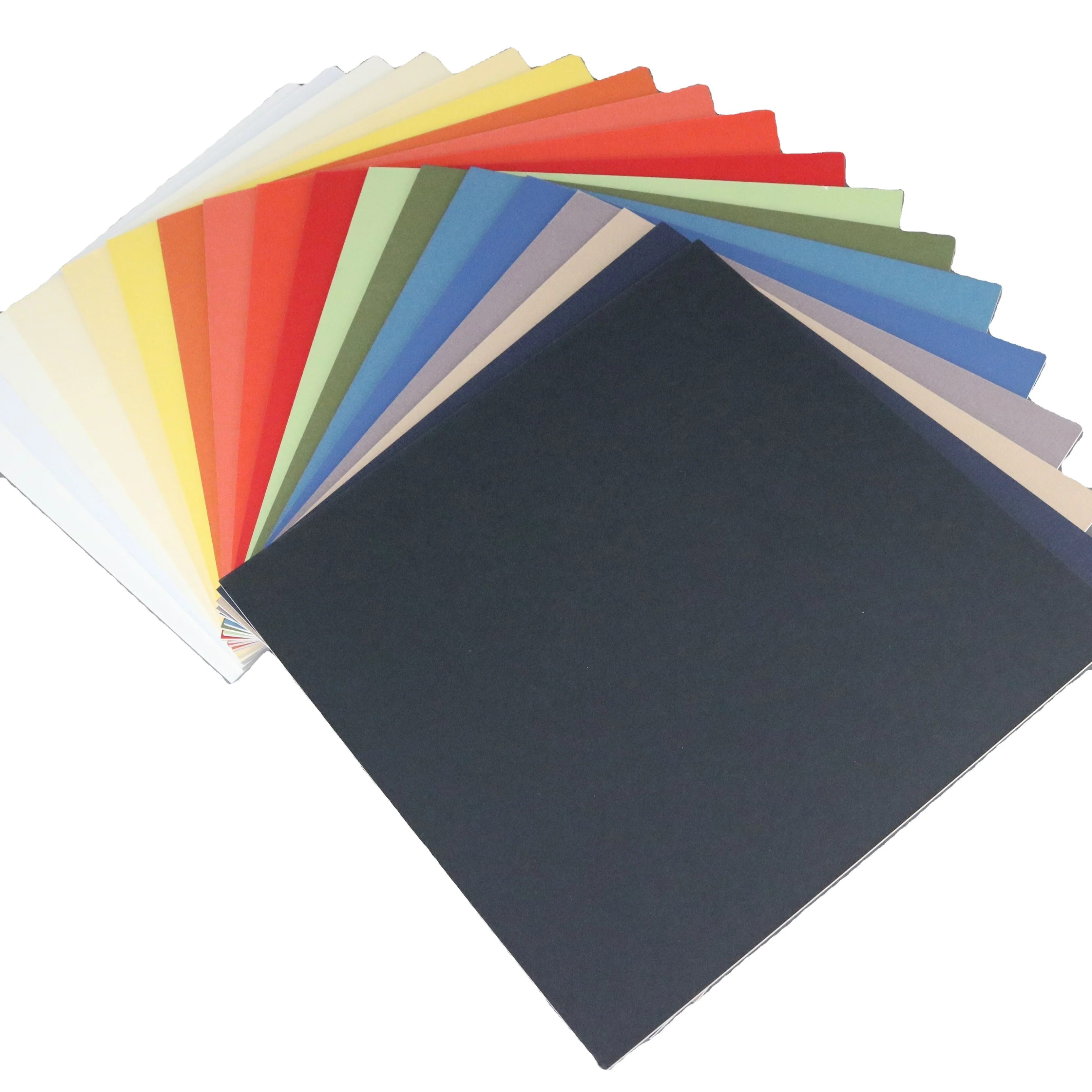
התפתחות טכנולוגיית לוחות עיגון של תמונות שינתה את הדרך בה אנו מתקרבים לשימור ותצוגה של צילום. פתרונות עיגון מודרניים מציעים תכונות ארכיון טובות יותר, עמידות מוגברת ומראה יפה יותר בהשוואה לחלופות המסורתיות. אמני תצורה וצלמים נעזרים ביתר שאת בלוחות עיגון איכותיים כדי להבטיח שהעבודה שלהם תשמר את יופיה המקורי לאורך עשורים. ההשקעה בחומרי לוחות עיגון מתקדמים משתלמת דרך הארכת חיי היצירה והשלמת איכות הצגת התמונה.
הבנת חומרי לוחות עימוד לצילום
הרכב לוח עימוד חסר חומצה
לוח עיבוד תמונות חסר חומציות מייצג את הסטנדרט הזהב לשימור מקצועי של צילום. לוחות אלו עוברים תהליכי ייצור מיוחדים המבטלים חומצות וזיהויים מזיקים העלולים לגרום להŻהבה, שבירות והרס עם הזמן. הרכב חסר החומציות מבטיח שהתמונות שמועבות יישארו יציבות וברורות לאורך זמן ממושך. לוחות איכות מוזיאון חסרי חומציות שומרים בדרך כלל על רמת pH בין 7.5 ל-8.5, ויוצרים סביבה אופטימלית לחומרי צילום. שומרי אוצרות מקצועיים ממליצים על אפשרויות חסרות חומציות לכל צילום המיועד לתצוגה ארוכת טווח או לאחסון ארכיוני.
תהליך הייצור של לוחות עיגון תמונות חסרי חומצה כולל בחירה זהירה בחומרים ראשוניים ואמצעי בקרת איכות קפדניים. יצרנים מובילים משתמשים בסיבי כותנה או פulp עץ שעבר טיפול מיוחד ונקייה להסרת תרכובות חומציים. גישה מדוקדקת זו מייצרת לוחות עיגון שעוברים את סטנדרטי התעשייה באיכות ארכיונית. kếtמת המשטח של הלוחות חסרי החומצה מספקת תכונות דבקיות מצוינות תוך שמירה על מראה חלק והomוגני המשפר את הצגת התמונה.
אפשרויות לוחות פומית ולוחות קשיחים
לוח עיבוד תמונות עם ליבה מפומיה מציע תמיכה קלה אך איתנה לשימושים שונים בעריכות תצוגה. הליבה המפוצלת מספקת יציבות מימדית מצוינת תוך הפחתת המשקל הכולל בהשוואה לחלופות של לוחות מלאים. בנייה זו הופכת את לוחות הליבה המפוצלת למתאימים במיוחד לתצוגות בתבנית גדולה שבהן שיקולי משקל הם חשובים. שכבות הפנים החלקות מקבלות דבקים וتقنيות התקנה שונות, מה שהופך אותן לבחירות רב-שימושיות עבור אמני תצורה מקצועיים ומעצבים של תערוכות.
פתרונות של לוחות קשיחים להרמת תמונות מספקים יציבות מקסימלית ליישומים דרמטיים. לוחות אלו עמידים יותר בפני עיוות, כיפוף ולחצי סביבה בהשוואה לחלופות גמישות. צלמים מקצועיים בוחרים לעיתים קרובות באפשרויות הרמה קשיחות להצגת פורטפוליו, תערוכות גלריה וייצוגים מסחריים שבהם שטחность גבוהה היא חיונית. העמידות המוגברת של הלוחות הקשיחים מוצדקת על ידי עלותם הגבוהה יותר ליישומים קריטיים שבהם לא ניתן להתפשר על איכות התמונה.
שקולים של איכות ארכיון
תקני ייצור ללא ליגנין
ייצור לוחות עימוד צילום ללא ליגנין מונע אחת מהסיבות הראשיות להרס תצלומים. ליגנין, פולימר טבעי הנמצא בעץ, מתפרק עם הזמן ויוצר תרכובות חומציות המזיקות לתצלומים. לוחות עימוד מקצועיים עוברים תהליך עיבוד מקיף שמסיר את הליגנין תוך שמירה על שלמות המבנית. תהליך זה מאריך משמעותית את חיי התצלומים מעוצבים ומונע הצהבה והשבירות המשויכים לחומרים איכותיים נמוכים יותר.
בדיקת ותיעוד של לוחות הצמדה פוטו חסרי ליגנין כוללת ניתוח מעבדה מחמיר כדי לוודא רמות טיהור. ארגוני בדיקה עצמאיים מעריכים את הלוחות בהתאם לתקנים ארכיוניים שנקבעו על ידי מוזיונים וחברות שימור. התקנים מבטיחים שלוחות מאומתים לא יתרמו לדידן של צילומים גם בתנאים סביבתיים קשים. משתמשים מקצועיים צריכים לאמת את האישור חסר הליגנין בעת בחירת חומרי הצמדה לצילומים בעלי ערך או בלתי ניתן להחלפה.
חיסון ובקרת pH
לוח עיגון תמונות מוגן כולל מאגרים אלקליניים שמשבשים חומצות העלולות להתפתח עם הזמן או להיגרר מחומרים סמוכים. סוכני הגיון של סידן פחמתי מספקים הגנה לטווח ארוך מפני זיהום חומצי תוך שמירה על רמות pH אופטימליות. גישה זו לשמירה עוזרת להבטיח שהתמונות המועדות יישארו יציבות גם בסביבות אחסון או תצוגה שאינן אידיאליות. כושר ההגנה של לוחות עיגון איכותיים מספק בדרך כלל עשרות שנים של הגנה מפני נדידת חומצה.
שליטה נכונה ב-pH בייצור לוחות ריתוך לצילום דורשת איזון כימי מדויק ומעקב מתמיד לאורך כל תהליך הייצור. יצרנים איכותיים שומרים על רשומות מפורטות של רמות pH וריכוזי סוכני ספיגה כדי להבטיח עקביות בין מחזורי ייצור. תשומת לב זו לפרטים מביאה ללוחות ריתוך המספקים ביצועים מהימנים וצופים לשימוש מקצועי. ניתן לבטוח כי לוחות מרופדים כראוי ישמורו על תכונות ההגנה שלהם לאורך כל חיי השירות.
kếtסטורת פנים ואפשרויות גימור
יישומי גימור חלק
לוח עיבוד חלק מספק את המראה הנקי והמקצועי ביותר ליישומי תצוגה איכותיים. kếtל משטח אחיד מונע הסחות דעת ויזואליות ומאפשר לצלמים להופיע במרכז הבמה בהצגה. לוחות חלקים מתאימים במיוחד לסגנונות צילום עכשוויים ולגישות מסגרת מודרניות, שבהן נדרשים קווים נקיים והפרעה ויזואלית מינימלית. התכונות של המשטח החלק מקילות גם על ניקיון ושימור לאורך זמן.
מצלמים מקצועיים מעדיפים לרוב לוח עיבוד צילום חלק להצגת פוליו ותערוכות גלריה, שם מראה sopisticated הוא חשוב ביותר. kếtל המשטח המושלם משלב הדפסים איכותיים של צילומים ומשלים את ערך ההצגה הכוללת. לוחות חלקים מספקים גם תיאום מצוין עם מגוון של דבקים וتقنيות התקנה, מבטיחים הדבקה אמינה לאורך זמן ללא בעיות הקשורות לקטל.
יתרונות משטח מחוספס
משטחי לוחות עיגון של תמונות בעלי מרקם מציעים אפשרויות אסתטיות ייחודיות ויתרונות פרקטיים ליישומים מסוימים. המרקם העדין יכול להוסיף עניין ועומק חזותי להצגת צילומים, ובמקביל לספק אחיזה משופרת לחומרי הדבקה לעיגון. משטחים מרוקמים עוזרים גם לצמצם טביעות אצבע וכ SCRatches קלות שעשויות להיות גלויות יותר על פני השטח חלקים. יתרון זה הופך את הלוחות המרוקמים לבחירה פופולרית בסביבות תצוגה עם תנועה גבוהה ובסביבות חינוכיות.
המגוון במרקמי הלוחות הזמינים מאפשר למקצועיים יצירתיים להתאים אישית את הצגת היצירות בהתאם למטרות אסתטיות מסוימות. מרקמים דמויי פשתן עדין ועד אריגים דמויי קanvas עדינים, לוחות מרוקמים יכולים להשלים סגנונות צילום שונים וערכות תצוגה שונות. המפתח הוא לבחור ברקמים שמעדיפים את התמונות המוצבות ולא מתחרים איתן על תשומת הלב החזותית.
בחירת צבע והשפעה חזותית
אפשרויות לבן וקרם מסורתיות
לוח עיגון לבן נשאר לבחירה הפופולרית ביותר ליישומים מקצועיים בזכות מראהו הנייטרלי והתאמה אוניברסלית לסגנונות צילום שונים. לוחות לבנים טהורים מספקים ניגודיות מקסימלית ועוזרים לצילומים להיראות צבעוניים ומוגדרים היטב. המראה הנקי והקלאסי של לוחות עיגון לבנים מבטיח שה תשומת הלב תישאר ממורכזת על הצילום ולא על חומר העיגון. בחירה קלאסית זו מתאימה גם לצילום מדו-צבע וגם לצילום שחור-לבן.
לוח עיגון בצבע קרם מציג אלטרנטיבה חמימה יותר מללבן צלול, תוך שמירה על סטנדרטים מקצועיים של מראה. החום העדין של לוחות קרם יכול להשלים היטב צילומים וינטאג', ציורי ספיה ותמונות בערכות צבע של טבע. רבים מהצלמים מוצאים שلوحות קרם מספקים אסתטיקה עדינה ופתוחה יותר, תוך שמירה על המראה הנקי והמקצועי הנדרש ליישומי תצוגה רציניים.
צבעים מיוחדים ואפשרויות בהתאמה אישית
לוח עיבוד צילום צבעוני פותח אפשרויות יצירתיות לצלמים ומעצבי גרפיקה החפצים באפשרויות הצגה ייחודיות. לוחות שחורים מספקים ניגוד דרמטי ומראה sofisטי, ומאוד אפקטיביים עם צילומי ניגוד גבוה וסגנונות אומנות עכשוויים. המראה העמוק והעשיר של לוחות עיבוד שחורים יכול להגביר את הערך הנדרש והזקיפות האומנותית של צילומים מוצגים כאשר נעשה בהם שימוש בצורה מתאימה.
לוח עיבוד צילום צבעוני לפי הזמנה מאפשר למקצועיינים ליצור הצגות מותאמות אישית של מותג והתערוכות בהקשרים ייחודיים. יצרנים יכולים לייצר לוחות בצבעים ספציפיים התואמים לסימני corporations, נושאי תערוכה או חזונות אומנותיים. היכולת להתאמה אישית מאפשרת יצירת הצגות באמת ייחודיות שניכרות בסביבות תחרותיות תוך שמירה על סטנדרטים מקצועיים של איכות.
תקני גודל ונושאים הקשורים לגיזום
מימדי גיליון סטנדרטיים
ממדי לוחות עיבוד תצלומים סטנדרטיים עוקבים אחר מוסכמות תעשייה שמאפשרות שימוש יעיל ומינימום של בזבוז. גודלי גיליונות נפוצים כוללים 32x40 אינץ', 20x30 אינץ' ו-16x20 אינץ', המתאימים לגודלי הדפס צילום פופולריים ולתקני מסגרת. ממדים סטנדרטיים אלו מאפשרים למקצועיים לתכנן פרויקטים בצורה יעילה ולשמור על ניהול מלאי עקבי. הבנת הגודל הסטנדרטי עוזרת באופטימיזציה של השימוש בחומרים ובחיסכון בעלויות הפרויקט.
הקשר בין המידות הסטנדרטיות של לוחות עיבוד התצלומים לבין ממדי ההדפס הנפוצים מאפשר חיתוך יעיל וייצור מינימלי של פסולת. מתפרמים מקצועיים לעתים קרובות שומרים במלאי מספר מידות סטנדרטיות כדי לעמוד בדרישות פרויקטים שונים מבלי לבצע פעולות חיתוך מורכבות. גישה זו משפרת את יעילות זרימת העבודה ומבטיחה שהחומרים באיכות גבוהה יהיו זמינים לשימוש מיידי כשזה נחוץ.
חיתוך ועיצוב מותאמים אישית
שירותי חיתוך מותאם אישית עבור לוח תקיעת תמונות מאפשר התאמה מדויקת לצרכים ייחודיים של תצוגה וגדלי צילום לא סטנדרטיים. ציוד חיתוך מקצועי מבטיח קצוות נקיים ומדויקים שמשפרים את המראה הסופי ומקלים על טכניקות התקנה מתאימות. שירותי ייצור מותאמים אישית יכולים לעמוד בצורות מורכבות, מספר פתחים ותצורות מיוחדות שאי אפשר להשיג בגדלים סטנדרטיים.
הדיוק הנדרש לחיתוך לוחות תצוגה מותאמים אישית מחייב ציוד מיוחד ועובדים בעלי ניסיון. שירותי חיתוך מקצועיים משתמשים בכלים בשליטה ממוחשבת שמבטיחים דיוק ואיכות עקביים בין חלקים מרובים. דיוק זה חשוב במיוחד בתצוגות רצף, תערוכות גלריות והצגות מסחריות שבהן אחידות חיונית למראה מקצועי.
טכניקות התקנה והתאמת דבק
יישומי הדבקה יבשים
הרכבה יבשה נחשבת לאחת הטכניקות הפופולריות ביותר להוספת צילומים ללוח הצלם, בזכות התוצאות הנקיות וההדבקה הקבועה. התהליך כולל סרטים דביקים המופעלים על ידי חום, שיוצרים חיבור חזק ואחיד בין הצילום ללוח. שליטה מתאימה בטמפרטורה ושימוש בכוח קבוע מבטיחים תוצאות אופטימליות ללא נזק לחומרי הצילום. ההרכבה היבשה עובדת במיוחד טוב עם הדפסי סיבים ומבטיחה יציבות מעולה לאורך זמן.
התאמת חומרי לוח הצלם לאדיוקטיבים להרכבה יבשה דורשת שיקול דעת כדי להבטיח תוצאות מיטביות. לוחות איכותיים מעוצבים לעמוד בפני החום והלחץ הכרוכים בתהליכי ההרכבה היבשה, מבלי להעקל או לשנות ממדים. לוחות מקצועיים שומרים על שטיחותם ועל שלמותם המבנית לאורך כל תהליך ההרכבה, ומביאים לתוצאה סופית באיכות גבוהה.
הרכבה רטובה ואפשרויות אדיוקטיבים
تقنيות הרכבה רטובות באמצעות דבקי סプレー או סרטים להרכבה מציעות גמישות והפיכות שחלק מהיישומים דורשים. תכונות פני לוח ההרכבה של התמונה משפיעות באופן משמעותי על ביצועי הדבק ועוצמת הקשר לאורך זמן. משטחים חלקים ואחדגוניים מספקים מגע ודistribution אופטימלי של הדבק, מה שמוביל לחיבורים חזקים ובריאים יותר. דבקים מקצועיים שתוכננו במיוחד ליישומים פוטוגרפיים מבטיחים איכות ארכיונית ומונעים התדרדרות עתידית.
בחירת הדבק המתאים ליישומי לוחות הרכבת תמונות כוללת בחינה של דרישות ארכיון, תנאי סביבה ומשך התצוגה המבוקש. דבקים חסרי חומצה וניטרליים מבחינת pH משלימים את התכונות הארכיוניות של לוחות הרכבה איכותיים ומבטיחים שמערכת ההרכבה כולה עומדת בתקני השמרה. משתמשים מקצועיים צריכים לוודא את תאימות הדבק לחומרי הלוח הספציפיים כדי למנוע תגובות בלתי צפויות או בעיות בביצועים.
התנגד贯תנות סביבתית ועמידות
הגנה מפני לחות ורטיבות
לוח עיגון איכותי של תמונות כולל תכונות של התנגדות לרטיבות שמحمינות תמונות מעוגנות מפני תנודות רטיבות סביבתיות. היציבות הממדית של לוחות עיגון בתנאי רטיבות משתנים מונעת עיוותים, גליות ושכירות שיכולים לפגוע בתמונות יקרות ערך. לוחות מקצועיים שומרים על שלמותם המבנית בטווח רחב של רמות רטיבות, ומבטיחים ביצועים עקביים בסביבות תצוגה שונות.
תהליכי הייצור של לוחות עיגון תמונות איכותיים כוללים טיפולים שמשפרים את ההתנגדות לחוסר, מבלי להזיק לתכונות הארכיון. הטיפולים הללו עוזרים ללוחות לשמור על צורתם ואיכות המשטח גם בתנאים סביבתיים קשים. עמידות משופרת בפני לחות מאריכה גם את אורך חיי השירות של לוחות העיגון ומצמצמת את הסיכון להתפתחות ירקב או קרצוף בתנאים לחים.
יציבות מול קרינת UV ואור
חומר לוחות עיגון של תמונות יציבים בפני קרינת UV עמידים בהרס הנגרם בגלל חשיפה ממושכת לאור, שיכול לגרום להŻelowות, איבוד צבע והצטברות שבריריות בפריטים באיכות נמוכה. לוחות איכותיים כוללים חוסמי UV וצבעים עמידים בפני האור שממשיכים לשמור על מראהם ועל תכונותיהם המבניות גם ב présence של תאורה חזקה לצורך תצוגה. יציבות זו היא חשובה במיוחד עבור תצלומים המוצגים בגלריות בהירות, סביבות קמעונאיות ויישומים בחוץ, בהם החשיפה לאור היא משמעותית.
היציבות ארוכת הטווח של לוח עיגון תמונה מול חשיפה לקרינת UV משפיעה ישירות על שימור התמונות המעוגנות. לוחות שממשיכים לשמור על שלמותם מגנים על התמונות מפני אור מזיק, ובנוסף מבטיחים שהמערכת לעיגון לא תהפוך בעצמה למקור של התדרדרות. משתמשים מקצועיים צריכים לבדוק את דירוגי היציבות מול UV בעת בחירת לוחות ליישומים הכוללים חשיפה ממושכת לאור.
שיקולים כלכליים וניתוח ערך
השקעה ראשונית לעומת ערך ארוך טווח
העלות ההתחלתית של לוחות עימוד מקצועיים מהווה שבריר קטן מההשקעה הכוללת בפרויקטים מקצועיים של צילום ועימוד. חומרי עימוד איכותיים מגינים על צילומים יקרים ומשפרים את ערך הצגתם הרבה מעבר לעלות החומרים שלהם. אורך החיים הארוך יותר והביצועים הגבוהים של לוחות מקצועיים מוצדקים על ידי העלות הראשונית הגבוהה יותר, בזכות עמידות משופרת וצורך מופחת בהחלפה.
צלמים ועוצרים מקצועיים מזהים ביתר שאת כי איכות לוחות העימוד משפיעה ישירות על שביעות רצון הלקוחות והמוניטין העסקי. הלקוחות מצפים שהתמונות היקרות שלהם ישמרו ויוצגו באמצעות חומרים המתאימים לאיכות ולחשיבות של התמונות. השקעה בלוחות עימוד איכותיים מדגימה מקצועיות והתמדה באיכות, מה שחשוב ומוערך עבור הלקוחות.
קניה בכמות גדולה ואפשרויות קרוב
רכישה כמותית של לוחות עיגון לצילום מציעה חיסכון משמעותי בעלויות למשתמשים בכמויות גדולות, תוך הבטחת איכות חומר עקיבה בין הפרויקטים. ממוסגרים מקצועיים וסטודיו צילום יכולים להפחית משמעותית את עלות היחידה באמצעות הס Vere עם ספקים מהימנים. מלאי בכמות גדולה גם מבטיח זמינות של חומרים עבור פרויקטים דחופים ומבטל עיכובים הנלווים להזמנות מיוחדות.
דרישות האחסון למלאי לוחות עיגון לצילום בכמות גדולה דורשות בקרת סביבה מתאימה כדי לשמור על איכות החומר לאורך זמן. יש לאחסן את הלוחות בתנאים נקיים ויבשים, הרחק מאור שמש ישיר וממגבלות טמפרטורה. עמידה בנוהלי אחסון תקינים מבטיחה שהרוכשים בכמות גדולה ישמרו על מאפייני האיכות שלהם לאורך כל תקופת האחסון ויספקו ביצועים עקביים בעת השימוש.
שאלות נפוצות
מה גורם ללוח עיגון חסר חומצה להיות שונה מלוח עיגון רגיל
לוח עיגון לצלמים חסין לחומצות עובר תהליכי ייצור מיוחדים שמורידים חומצות מזיקות וליגנינים שגורמים להתרוקנות ולהתדרדרות לאורך זמן. לוחות עיגון רגילים מכילים לעיתים תרכובות חומצתיות שמגיעות אל הצלמים, וגורמות נזק קבוע על ידי שינוי צבע, שבירות ושחיקה כימית. לוחות חסיני חומצה שומרים על רמת pH ניטרלית שיוצרת סביבה בטוחה לשימור צלמיות לאורך זמן, מה שעושה אותם חיוניים ליישומים של צילום בעלי ערך או ארכיון.
מהו עובי הלוח לעיגון תמונות הנדרש ליישומים שונים
עובי לוח ריתוך של תמונות תלוי ביישום הספציפי ובדרישות תצוגה. עובי סטנדרטי נע בין 2-שכבות (בערך 1/32 אינץ') ליישומים קלי משקל ועד 8-שכבות (בערך 1/8 אינץ') לצורך ריתוך כבד. לרוב, תמונות גדולות דורשות לוחות עבים יותר כדי למנוע התעקמות ולבטיח שטחיות לאורך זמן. ביישומים מקצועיים משתמשים לעתים קרובות בלוחות 4-שכבות או 6-שכבות מכיוון שהם מספקים איזון מצוין בין יציבות וקלות בעבודה, תוך שמירה על יעילות עלות.
האם ניתן להשתמש בלוח ריתוך תמונות הן לצילומים מודפסים בצבע והן לשחורים-לבנים
כן, לוח עיבוד איכותי מתאים מצוין גם לצילומים מדו-צבעיים ולאפורים כאשר בוחרים בחומרי ארכיון מתאימים. הגורם המרכזי הוא בחירה בלוחות חסרי חומצה וחסרי הליגנין שלא יגרמו לתגובות כימיות עם שכבת האמולסיה של הצילום או סוגי נייר שונים. צילומים מדו-צבעים עשויים להפיק תועלת מלוחות בצבע לבן ניטרלי או קרם שלא מוסיפים הטיה צבעית, בעוד שצילומים לאפורים יכולים להתאים למגוון צבעי לוח בהתאם להעדפות אסתטיות ולמטרות הצגה.
כמה זמן נשמרים צילומים לאחר עיבוד על לוח עיבוד איכותי
תמונות שמותכות על לוחות תצוגה מ fotografיה באיכות מוזיאונית וחסרי חומצה יכולות להימשך מאות שנים כאשר מאוחסנות ומוצגות נכון בתנאי סביבה מתאימים. התכונות הארכיוניות של לוחות ההעלאה המתקדמים מבטיחות שהמערכת עצמה לא תתרום לפגיעה בתמונות, ומאפשרות לאורך החיים הטבעי של חומרי הצילום לקבוע את משך הזמן בו יישמרו. שיטות הרכבה מתאימות בשילוב עם חומרים איכותיים יכולים לשמר תמונות לדורות רבים תוך שמירה על מראהן המקורי ועל ערכן.